Brief
Tokyo Game Show retrospective charts three decades, from Nintendo's shunning to pandemic upheavals
A retrospective looks back at 30 years of Tokyo Game Show, tracing how the event went from Nintendo's early shunning and pandemic upheavals to a global gaming institution. The material carries no dates, venue or access details, so it is context rather than a guide to attending.
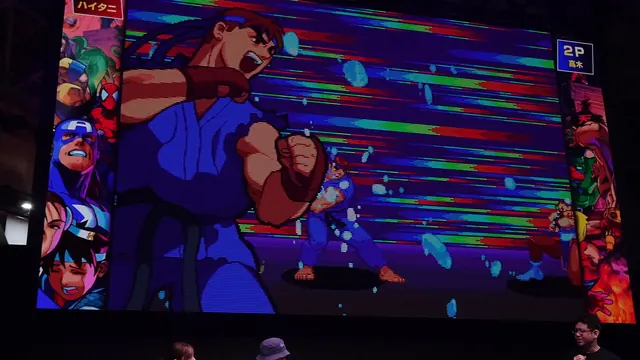

The source is a look back at 30 years of Tokyo Game Show — a history of the event rather than an announcement about an upcoming edition.
Its one substantive detail is the arc: Nintendo initially shunned the show, and the event survived pandemic upheavals, in the source's wording, to become a global gaming institution.
Nothing in this material gives dates, a venue, ticketing or visitor arrangements, so readers should not read it as information about attending a future show.
Our reading
This is a culture item rather than actionable news: it explains how a Japanese trade-and-fan event became a global fixture, which is useful background for readers who follow gaming or build trips around fan conventions. It matters chiefly to readers tracking Japanese pop-culture tourism, and its practical value is limited because the material contains no date or access information.
What to do or watch
The precise unresolved question is when the next Tokyo Game Show runs, where, and how the public gets in — none of which this material supplies.
Source details and supporting facts
Each line is stated by the page named above it.
Stated by The Japan Times
- Tokyo Game Show has weathered three decades to become a global gaming institution.
- The retrospective covers the show's history from Nintendo's shunning to pandemic upheavals.
Sources
- The Japan TimesText stored 17 September 2026
How this story was checked. Written from the 1 page listed above, stored 17 September 2026; claims checked against that stored text on 17 September 2026.
What that means
- 2 of 2 reported statements were confirmed against the page that carries them; the rest were removed rather than published.
- Figures in the text were required to appear in the stored source text: yes. Identifiers: yes.
- The check reads stored text only: no claim rests on a fresh look that did not happen.
- Where the reporting was silent, the text says so instead of filling the gap.