Brief
Gyotaku: Japan’s fish-print art moves from lodge walls to colour and digital images
A short guide introduces gyotaku, the Japanese art of ink-printing fish, and traces its path from monochrome prints in fishing lodges and seafood restaurants to more colourful works and digital versions. Detail on where and how to try it is limited in the source.
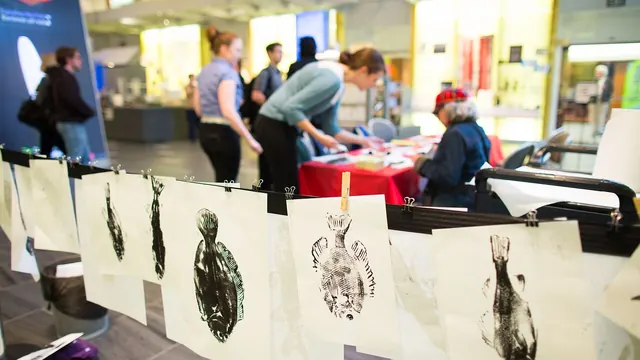

Gyotaku is the Japanese art of making ink prints of fish. The source describes examples in Japan as often monochrome prints hung on the walls of fishing lodges and seafood restaurants, but says the pictures have evolved into a more colourful art form.
It also notes that digital services can generate gyotaku from a photograph and that a guide looks at the past and present of this “fishy art form” and ways to experience it yourself.
Our reading
For Japan Desk readers, this is a small but concrete culture_discovery item: it names a traditional craft with an evolving present, which may interest visitors who want hands-on or locally rooted experiences. It matters less as hard news than as a pointer to an art form that can appear in seafood restaurants and fishing lodges, and now online. Readers who follow craft and regional food culture sh…
What to do or watch
The source says ways to experience gyotaku exist, but it does not specify venues or dates, so the precise unresolved question is where and how a visitor can actually try it.
Source details and supporting facts
Each line is stated by the page named above it.
Stated by nippon.com
- Gyotaku is the art of making ink prints of fish.
- In Japan, gyotaku are often monochrome prints on the walls of fishing lodges and seafood restaurants.
- The pictures have evolved into a more colorful art form.
- Digital services can generate gyotaku from a photograph.
Sources
- Nippon.comText stored 16 September 2026
How this story was checked. Written from the 1 page listed above, stored 16 September 2026; claims checked against that stored text on 16 September 2026.
What that means
- 4 of 4 reported statements were confirmed against the page that carries them; the rest were removed rather than published.
- Figures in the text were required to appear in the stored source text: yes. Identifiers: yes.
- The check reads stored text only: no claim rests on a fresh look that did not happen.
- Where the reporting was silent, the text says so instead of filling the gap.